Template Website UX Issues: Core Web Vitals Bottlenecks, Mobile Adaptation, and Brand Trust Crises
Enterprise Web Architecture & SEO Lab
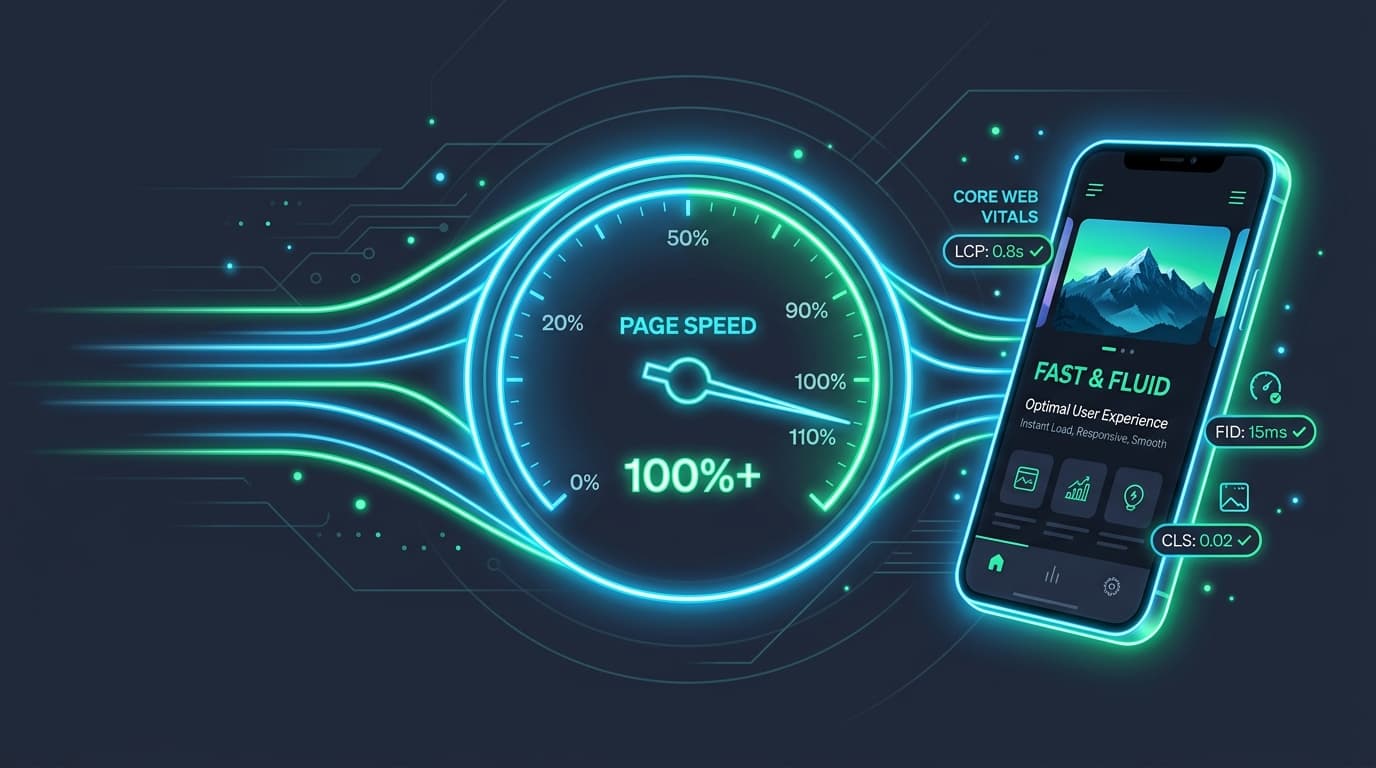
Initial load delays, layout instability, and mobile responsiveness flaws directly degrade first impressions. This article analyzes Core Web Vitals bottlenecks and their commercial impact.
01.The Harsh Commercial Reality Behind the '3-Second Rule'
In the modern digital economy, user attention spans have shrunk to a matter of seconds. Authoritative performance research from Google confirms: as mobile page load times increase from 1 second to 3 seconds, the probability of an immediate bounce jumps by 32%; at 5 seconds, bounce rates surge past 90%.
Because template websites bundle unsegmented global scripts, uncompressed full-resolution media, and unvetted third-party tracking widgets, overseas cross-border visitors and mobile users frequently suffer multi-second white-screen freezes.
When high-value B2B decision-makers or international buyers visit via search or referrals, they will not wait through stalled loading bars or unresponsive interfaces. They simply close the tab and engage with a competitor offering a smooth experience. Marketing budgets and inbound interest are lost within the first three seconds.
02.How Subpar Page Experience Silently Erodes Enterprise Credibility
True user experience goes far beyond loading speed—it encompasses fluid interaction feedback, visual layout stability, and meticulous mobile ergonomics. Template websites regularly exhibit systemic flaws across these dimensions:
Key impact summary:
- Visual Chaos from Cumulative Layout Shift (CLS): Unsized image containers, delayed top banners, and asynchronous widgets cause text and CTAs to jump unexpectedly during rendering, triggering accidental clicks and creating a cheap, unpolished impression.
- Severely Delayed Largest Contentful Paint (LCP): Hero banners lacking modern WebP/AVIF compression and responsive srcset force browsers to wait on massive downloads before revealing core value propositions.
- Interaction to Next Paint (INP) Lag: Unoptimized JavaScript monopolizes the main browser thread. When visitors attempt to toggle language selectors, view technical spec tabs, or enlarge product diagrams, noticeable stuttering occurs.
- Mobile Form and Viewport Disasters: On mobile devices, inquiry inputs fail to trigger the correct virtual keyboard, popups obscure close buttons, or elements overlap on high-DPI screens, breaking the critical inquiry submission path.
For manufacturers and technology brands emphasizing quality control and supply chain excellence, these frontend defects transmit an immediate negative signal of carelessness, casting doubt on actual delivery capabilities.
03.A User-Centric Engineering Blueprint for Revenue Growth
Modern high-performance websites embed user experience across every architectural layer. Utilizing Next.js Static Site Generation (SSG), intelligent asset preloading, and React Server Components, core first-screen content renders in under 1 second globally.
Visually and interactively, fluid typography, subtle micro-interactions, and standardized touch-friendly form design ensure prospects enjoy an effortless, reassuring experience across every viewport and device.
Prioritizing user experience maximizes the return on your customer acquisition budget. Upgrading from a sluggish template site to an engineered high-performance website reliably slashes bounce rates and multiplies inquiry conversion without increasing ad spend.
Related Technical Insights
B2B Website Content Architecture: How Brand Operators Build High-Converting Product & Solution Portals
Engineering Trust in B2B Deals: How Brand Marketers Build High-Impact Customer Case Studies
Maximizing Inbound Conversion: How B2B Marketers Optimize Lead Capture Funnels on Corporate Websites
How to Choose a Domain for Multilingual Websites: Subdirectory, Subdomain vs. New Domain
Corporate Website Pricing: Why Quotes Range from $500 to $10,000 and How to Budget
Why Your B2B Website Gets No Inquiries: Core Google Indexing and Ranking Mechanisms
Why Enterprises Should Avoid Template Websites: Core Differences Between Custom and Template Development
2026 Corporate Website Architecture Guide: Next.js + Headless CMS in Practice
Need a structured plan for your corporate website?
Share your business goals, target markets, and current materials. We will first clarify scope, implementation path, and delivery boundaries.
Book a consultation