B2B Website Content Architecture: How Brand Operators Build High-Converting Product & Solution Portals
Enterprise Web Architecture & SEO Lab
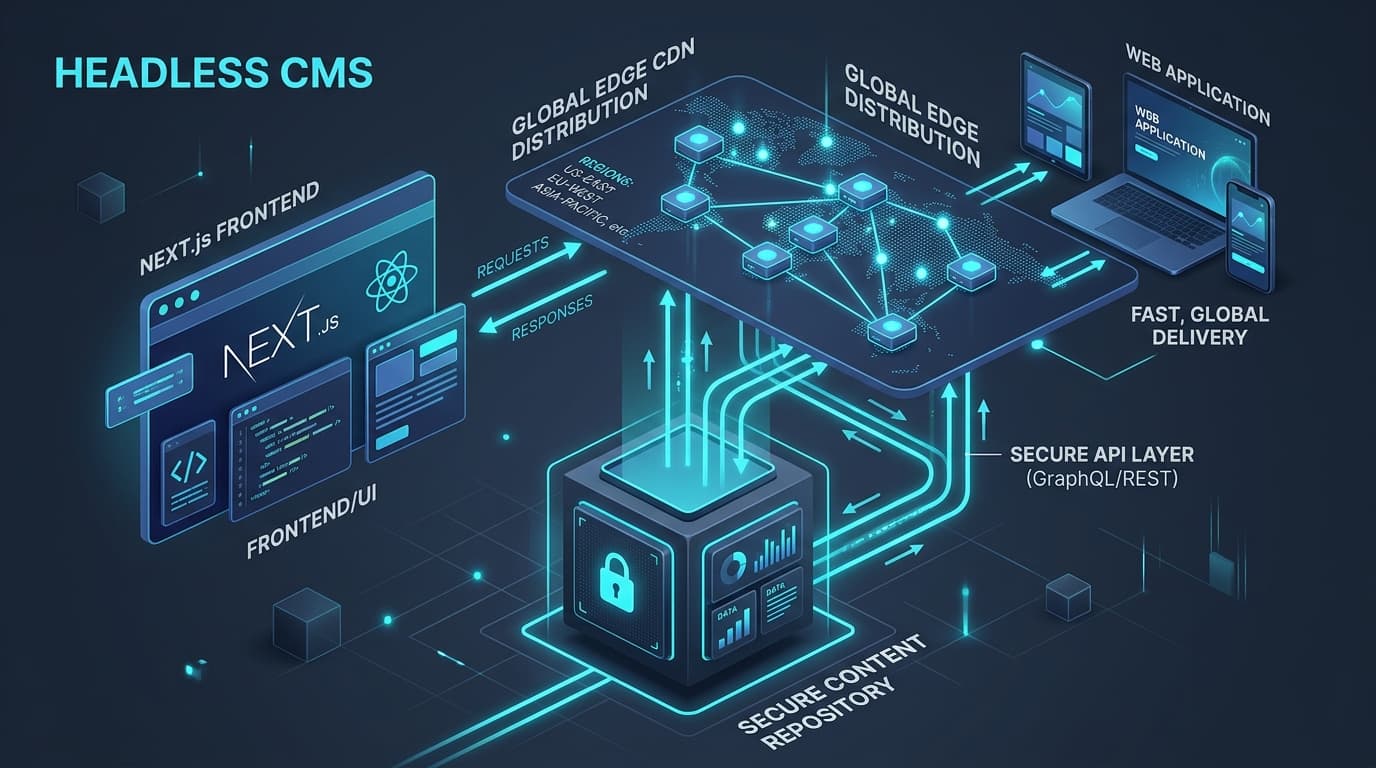
Many B2B corporate websites suffer from vendor-centric descriptions and uninspiring product lists. This guide provides brand operators and marketing leaders with a structured methodology to build problem-centric solution hierarchies, industrial specification catalogs, and high-conversion user pathways.
01.Shifting from 'Vendor Ego' to 'Buyer Decision Journey': Narrative Re-Engineering
In traditional industrial manufacturing and enterprise technology sectors, website content planning is frequently dictated by internal executives or engineering departments, resulting in severe supply-side bias. Corporate homepages are routinely cluttered with executive speeches, historical milestone timelines, and factory drone shots, while the navigation offers nothing more than generic 'About Us' pages and exhaustive lists of sterile part numbers. This vendor-centric structure fails to address the urgent psychological intent of enterprise decision-makers.
Enterprise procurement is a complex, multi-stakeholder consensus process spanning four distinct stages: problem identification, solution exploration, technical requirements specification, and vendor selection. When prospective buyers land on your site, their primary objective within the first 5 to 10 seconds is rapid validation: 'Does this vendor truly understand our operational bottleneck, and do they offer battle-tested solutions?'
Modern brand marketers must dismantle internal silos and rebuild websites around customer pain points. By establishing top-level 'Industry Solutions' and 'Application Scenarios' structured as 'Operational Challenge → Engineering Enabler → Measurable Outcome', vendors allow enterprise champions to identify relevant solutions within seconds, establishing deep technical resonance and credibility.
02.Digital Presentation of Industrial Specifications: Balancing Technical Rigor and Usability
B2B purchasing committees involve diverse personas. Chief Engineers and technical leads require exact tolerances, compliance ratings, and CAD geometry; procurement and finance directors scrutinize total cost of ownership (TCO) and warranty SLAs. Product portals must function as structured, interactive digital catalogs rather than static brochures.
Key impact summary:
- Multi-dimensional parametric filtering: Replace rigid folder trees with faceted filters covering operating environments, load capacities, electrical standards, and industry certifications, supplemented by side-by-side spec comparison tools.
- Engineering asset download hubs: Equip product detail pages with instant access to 3D CAD files (STEP/IGES formats), 2D dimensional drawings, technical datasheets, and regulatory compliance certificates (CE/UL/RoHS) to accelerate project feasibility reviews.
- Contextual ecosystem recommendations: Cross-link related customer case studies, compatible control units, and consumables directly beneath product specifications to expand cross-sell visibility.
- Interactive technical advisory and application engineering: Embed live engineering inquiry modules on complex product pages, enabling buyers to submit non-standard custom requirements for immediate feasibility review.
Through structured information architecture, corporate websites evolve from passive online brochures into the most agile digital sales enablement tool for commercial teams.
03.Engineering Low-Friction Lead Capture: Transforming Content into Inbound Pipeline
The ultimate commercial benchmark of B2B content architecture is generating a continuous flow of marketing qualified leads (MQLs). Traditional websites invest heavily in technical collateral yet rely on an isolated 'Contact Us' page, stranding over 98% of high-intent visitors without clear calls to action.
Brand operators must embed frictionless, high-value conversion hooks at high-intent decision moments across the site:
When rigorous content architecture aligns with optimized conversion pathways, corporate websites become 24/7 automated revenue engines for sustainable enterprise growth.
Related Technical Insights
Engineering Trust in B2B Deals: How Brand Marketers Build High-Impact Customer Case Studies
Maximizing Inbound Conversion: How B2B Marketers Optimize Lead Capture Funnels on Corporate Websites
How to Choose a Domain for Multilingual Websites: Subdirectory, Subdomain vs. New Domain
Corporate Website Pricing: Why Quotes Range from $500 to $10,000 and How to Budget
Why Your B2B Website Gets No Inquiries: Core Google Indexing and Ranking Mechanisms
Why Enterprises Should Avoid Template Websites: Core Differences Between Custom and Template Development
Template Website UX Issues: Core Web Vitals Bottlenecks, Mobile Adaptation, and Brand Trust Crises
2026 Corporate Website Architecture Guide: Next.js + Headless CMS in Practice
Need a structured plan for your corporate website?
Share your business goals, target markets, and current materials. We will first clarify scope, implementation path, and delivery boundaries.
Book a consultation